
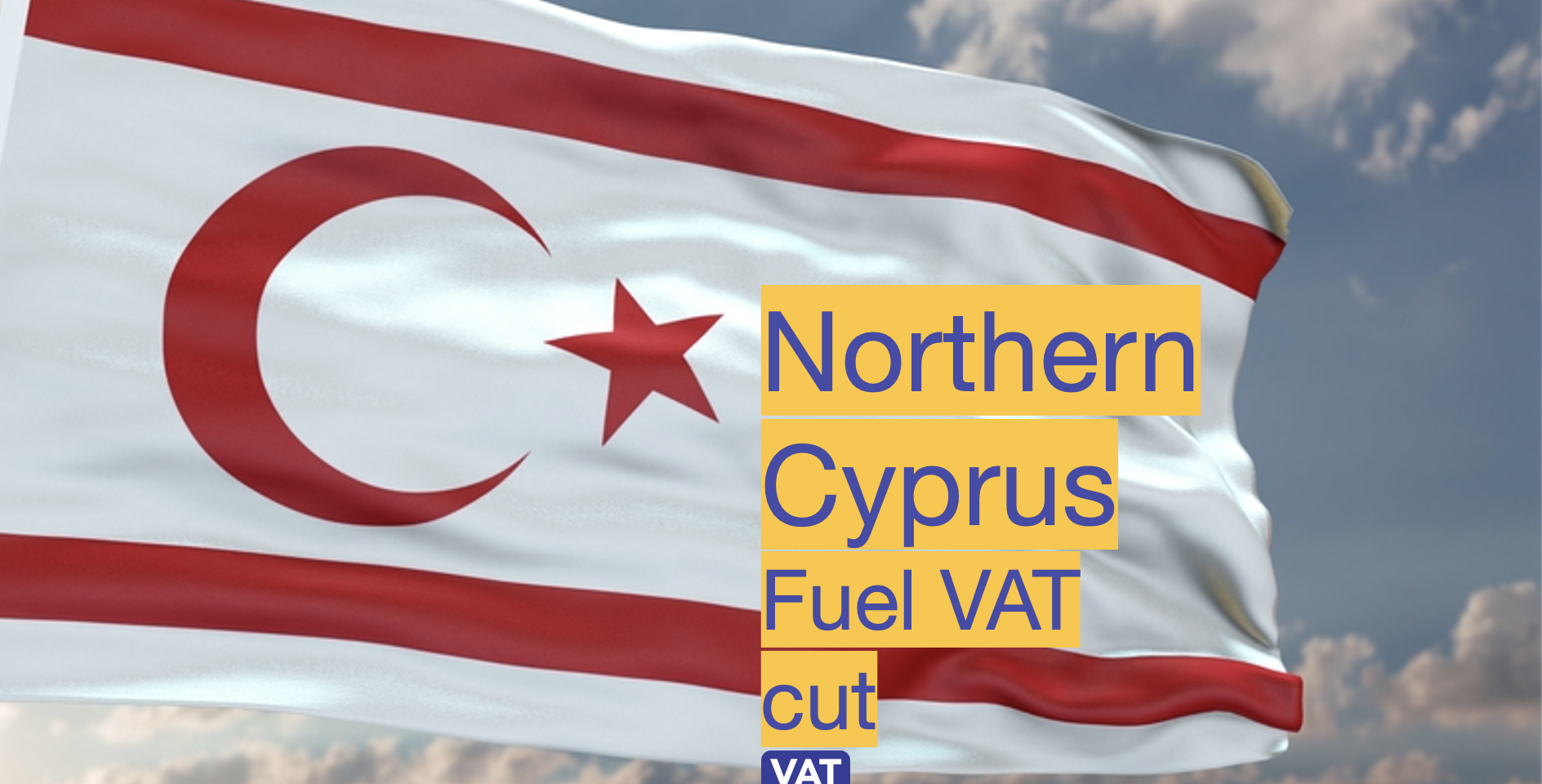
Northern Cyprus cuts VAT on fuel to zero as Iran conflict drives price surge
- Northern Cyprus has reduced VAT on fuel to 0% (from a standard 16%) to contain inflationary pressure
- The move is paired with price controls, capping fuel distributor margins at 7.25 TL per litre

Emergency VAT intervention amid oil price shock
Northern Cyprus has taken decisive fiscal action to shield consumers from rising fuel costs linked to the Iran conflict. The territory’s ‘energy minister’, Olgun Amcaoglu, confirmed that VAT on fuel has been temporarily reduced to zero, a significant cut from the previously applied rates, where fuel was typically taxed below the standard 16% VAT rate.
According to a Council of Ministers decision published in the Official Gazette on March 18, fuel products have been included in the list of goods and services subject to a zero percent VAT rate under the 2025 VAT Rates (Amendment) Regulation.
Under the new arrangement, VAT has been reduced to zero on all types of unleaded petrol, euro diesel, diesel, kerosene, fuel oil and aviation fuel. In addition, importer and dealer margins have been fixed at 7.25 TL per litre.
Follow our Middle East conflict VAT tracker to see what other countries are doing.
The move reflects a familiar policy lever: reducing indirect tax on energy to dampen inflation. With oil prices rising sharply, governments are again turning to VAT as a fast-acting tool to influence pump prices.
VAT cuts combined with direct market controls
What makes the Northern Cyprus approach notable is that the VAT reduction is not being used in isolation. Authorities have simultaneously imposed a cap on profit margins for importers and petrol stations, limiting clean profit to 7.25 TL per litre.
This dual intervention suggests a concern that VAT reductions alone may not fully pass through to consumers, a recurring issue seen in previous fuel crises across Europe.


